
The hip is one of the most important joints in the body, responsible for supporting weight, facilitating walking, running, and countless everyday movements. Because it is deep and well-protected, early problems are often overlooked, yet recognising the warning signs is crucial for preventing long-term joint damage and maintaining mobility.
Those most at risk
Hip problems can affect anyone, but certain groups are more susceptible. Age is a major factor, with people over 45 more likely to develop degenerative conditions such as osteoarthritis. Women, particularly after menopause, are slightly more prone to hip issues due to hormonal changes affecting bone density and joint health.
Other risk factors include previous hip injuries, high-impact sports, physically demanding occupations, or a family history of joint problems. People who are overweight are also at higher risk, as extra body weight places additional stress on the hip joint over time. Additionally, certain medical conditions, such as diabetes or connective tissue disorders, can increase susceptibility.
When to worry about hip pain
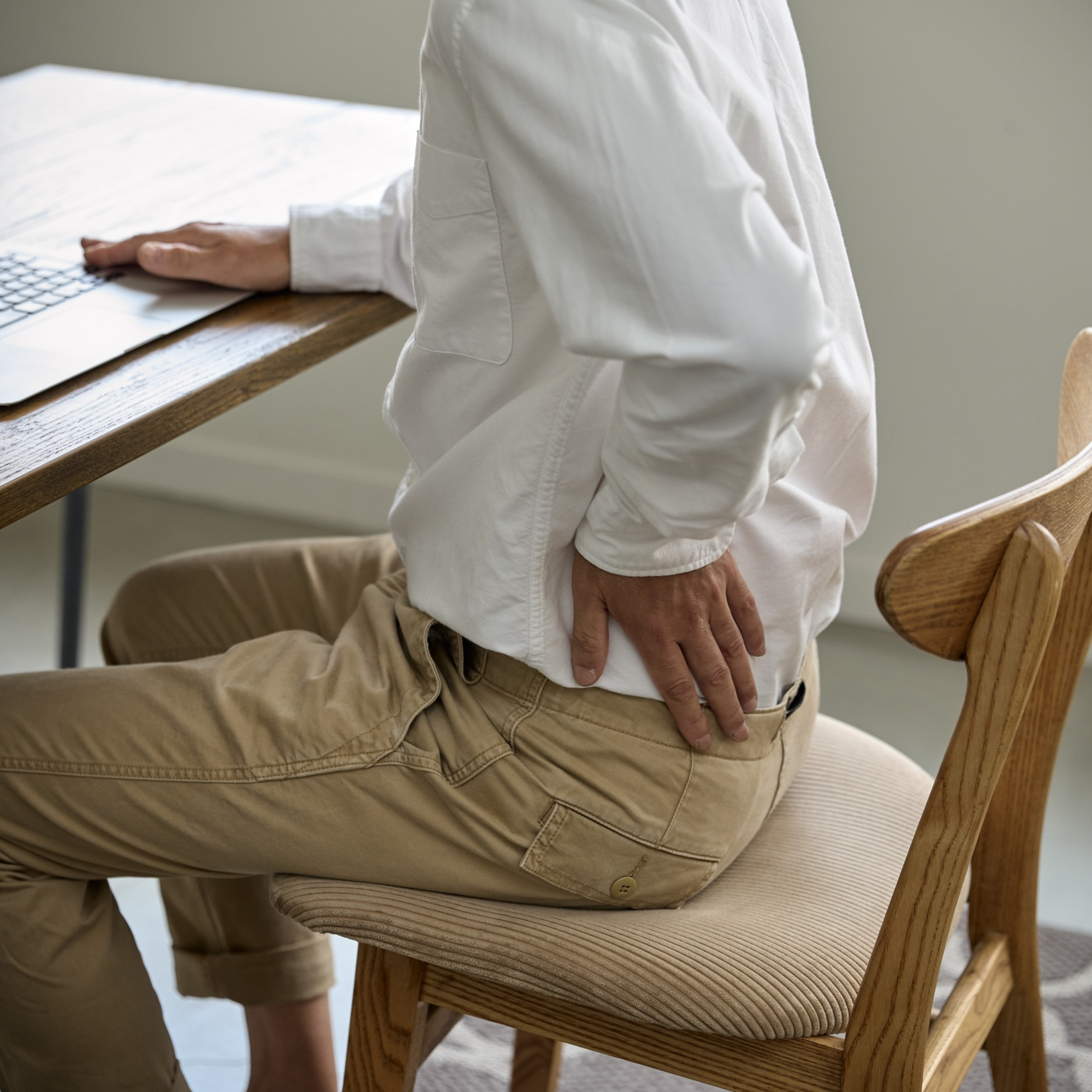
Hip problems often begin subtly, making early recognition challenging. Common early symptoms include a dull or aching pain in the groin, outer hip, thigh, or buttock, which may be worse after walking, standing, or climbing stairs. Unlike ordinary muscle soreness, this pain can persist even at rest and may disturb sleep.
Stiffness is another hallmark. Patients may notice difficulty bending the hip, crossing the legs, or rising from a chair. Some experience sensations of catching, clicking, or grinding, which can indicate cartilage wear, labral damage, or structural changes in the joint. Changes in gait, such as limping or favouring one leg, are also warning signs that the hip joint is struggling.
You should seek specialist assessment if pain or stiffness persists for more than a few weeks, interferes with daily activities, worsens over time, or limits your mobility. Early evaluation can prevent progression and improve outcomes.
Common conditions of the hip
Osteoarthritis
Osteoarthritis occurs when the cartilage that cushions the hip joint wears away over time. This leads to bone-on-bone friction, inflammation, stiffness, and pain. Early symptoms are usually a dull groin ache, stiffness after rest, and discomfort during activity. As the condition progresses, range of motion may decrease, walking may become painful, and night pain can occur. Intervention, such as physiotherapy, medications, or joint injections, is typically recommended when pain interferes with daily life. Hip replacement surgery may be considered for severe osteoarthritis that doesn’t respond to conservative treatment.
Labral Tears
The labrum is a ring of cartilage that surrounds the hip socket, helping to stabilise the joint. A tear can occur due to trauma, repetitive motion, or structural abnormalities. Symptoms include a catching or locking sensation, sharp pain in the groin or hip, and stiffness or instability. Labral tears often require imaging such as MRI for diagnosis.
Minor tears may improve with physiotherapy, but persistent pain or mechanical symptoms may require arthroscopic surgical repair.
Hip Impingement (Femoroacetabular Impingement, FAI)
Hip impingement occurs when abnormal contact develops between the ball and socket of the hip, often due to bony overgrowth. This leads to cartilage or labral damage over time. Patients typically notice pain in the groin during hip flexion (such as squatting or sitting for long periods), stiffness, and reduced range of motion. Early recognition and physiotherapy can help manage symptoms, but severe impingement may require surgical correction to prevent long-term damage.

Getting hip pain checked
Diagnosing hip problems starts with a specialist assessment, including a detailed history and physical examination. Imaging is often necessary: X-rays can reveal joint space narrowing, bone changes, or arthritis; MRI scans provide detailed views of cartilage, labrum, and soft tissues, helping identify tears or structural damage.
Intervention depends on the severity of the condition and impact on quality of life. Persistent pain, mechanical symptoms (catching, locking), or reduced mobility are indications for more active treatment. Early-stage issues are often managed conservatively with physiotherapy, activity modification, medications, and lifestyle adjustments. Advanced osteoarthritis, severe labral tears, or structural hip impingement may require surgical procedures to restore function and reduce pain.
How to keep your hips healthy
While some risk factors such as age and genetics cannot be changed, there are many steps to protect hip health: maintaining a healthy weight, engaging in low-impact exercises like swimming or cycling, strengthening the muscles around the hip, and avoiding repetitive strain. Early recognition of pain or stiffness and seeking timely specialist care can prevent minor issues from becoming more serious.
At London Sports Orthopaedics, our team provides personalised assessment and treatment for all hip conditions, combining expert diagnosis, conservative care, and advanced surgical options when necessary, helping patients stay active and independent.
For more information on our hip and lower limb specialists, please check out our team.


