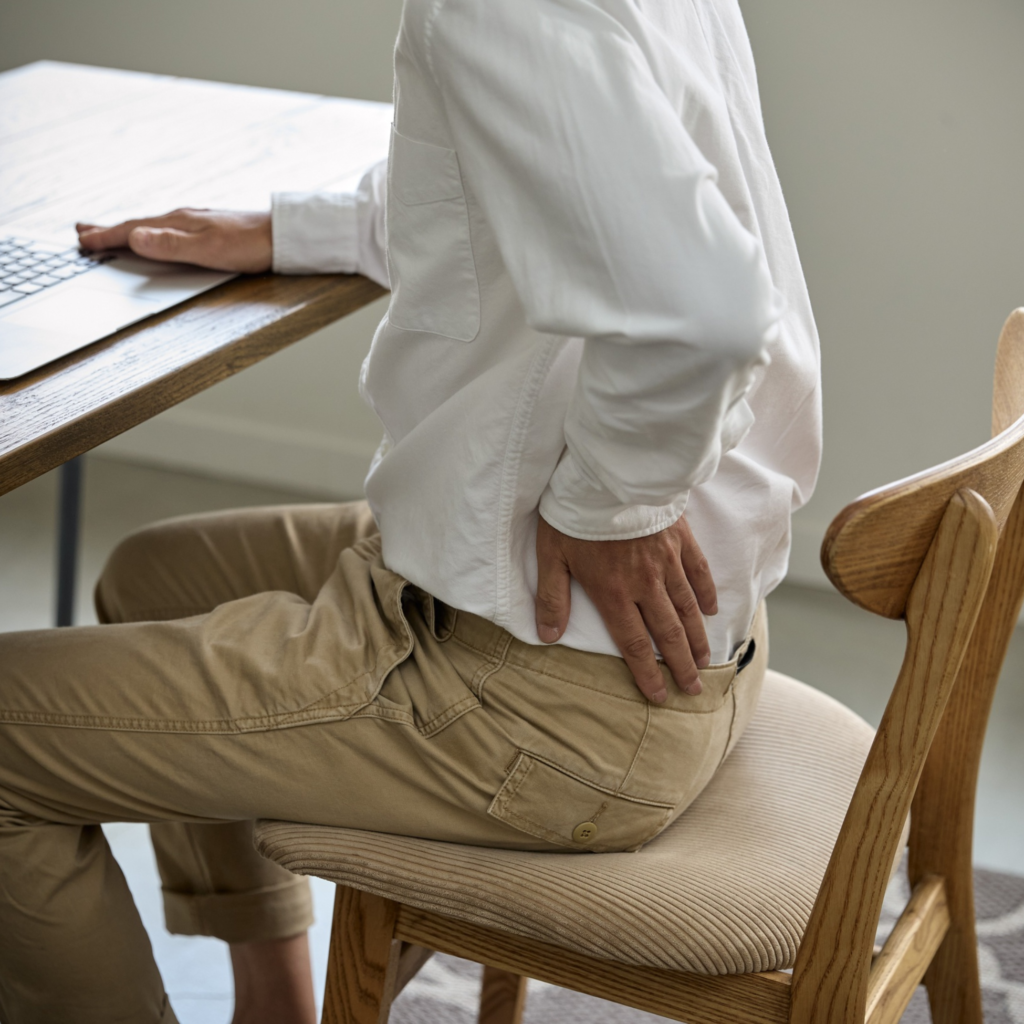
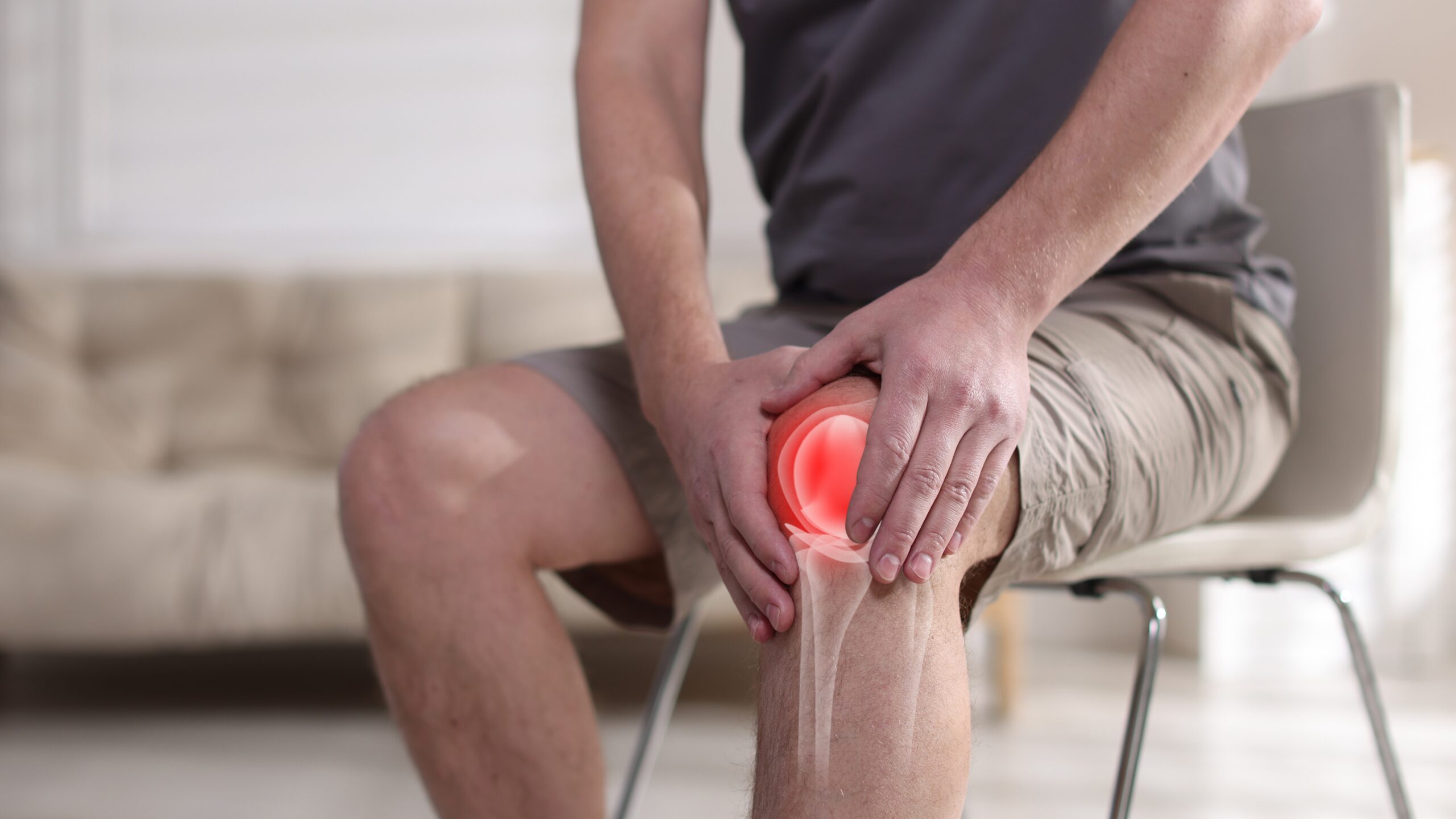
Osteoarthritis is the most common joint condition in the UK and a leading cause of pain, reduced mobility and disability. Despite the association with ageing, osteoarthritis is not an inevitability of getting older. With early recognition and management, many people are able to remain active and maintain a good quality of life.
To understand osteoarthritis, it helps to first understand the role of joint cartilage. Cartilage is a tough but smooth and slippery tissue that covers the ends of bones where they meet to form a joint, preventing bones from rubbing. It allows joints to move freely while absorbing shock like a cushion during activities such as walking, running and lifting.
When a joint develops osteoarthritis, the cartilage thins and its surface becomes rougher. This means the joint doesn’t move as smoothly as it should. This triggers the tissues within the affected joint become more active than normal to try and repair the damage. The repair processes may affect the structure of the joint and may allow the joint to work normally. However, the repair processes don’t always work and the resulting changes to structure of the joint structure can cause symptoms. In time, the joint may become stiff, painful and unstable, making everyday and previously pain-free movements uncomfortable and difficult. Surrounding muscles may also weaken and waste as one instinctively reduces movement to avoid discomfort, a cycle which can further worsen symptoms.
Which joints are most commonly affected?
Osteoarthritis is most commonly seen in joints that carry weight. The hips and knees are particularly prone to this disease as they support the body during standing, walking, going up and down stairs, and other daily activities. The discs and joints of the lower back and neck are other areas commonly affected, as well as hand and finger joints where osteoarthritis may affect grip strength and fine movements. We are frequently asked to see patients who have symptoms of osteoarthritis, often affecting more than one joint and at various stages of severity at London Sports Orthopaedics.
Who Is more likely to develop Osteoarthritis?
Osteoarthritis becomes more common with increasing age and usually starts from the late 40s onwards. However, younger individuals can also develop osteoarthritis, particularly if they have had previous joint injuries, participate in high-impact sports, physically demanding occupations or have suffered previous joint damage through gout, joint infection or joint inflammation.
For most joints, especially the knees and hands, the disease is more common and more severe in women and menopausal hormonal changes may have a contribution to this increased risk, although the exact reasons are still being studied.
Other factors that increase susceptibility include a family history of osteoarthritis, previous fractures or joint injuries, congenital joint deformities, carrying excess body weight or having other types of arthritis which have damaged the joint cartilage like gout or Rheumatoid arthritis.
Symptoms of Osteoarthritis
The key symptom is joint pain which is usually worse with activity and better with rest. Stiffness may occur and some people notice swelling, tenderness or a feeling of grinding or clicking within the joint. Symptoms often develop gradually and worsen over time. As the condition progresses, a reduced range of joint motion may occur which can cause difficulty performing everyday activities.
Diagnosis of Osteoarthritis and treatment options
Diagnosis usually begins with a detailed consultation, during which your specialist will ask about your symptoms, medical history and how your condition affects your daily life. A physical examination will follow to assess joint movement, strength and areas of tenderness. Your specialist will also consider if your symptoms may be due to another type of arthritis.
There’s no blood test to diagnose osteoarthritis. However, imaging plays an important role in confirming the diagnosis. An X-ray may show changes associated with osteoarthritis. Sometimes, an MRI scan may be recommended. MRI scans provide more detailed images of cartilage, ligaments and surrounding soft tissues and can detect changes not visible on X-ray.
The aim of treatment is to reduce pain, improve movement and help patients stay active. Treatment for osteoarthritis is highly individualized and depends on symptom severity, lifestyle and overall health. While not all risk factors for osteoarthritis can be changed, there is a great deal individuals can do to help protect and preserve their joints.
Many patients achieve good symptom control through conservative measures which include lifestyle changes, physiotherapy, exercise modification, pain relieving medication (e.g. including creams/gels and tablets) and targeted joint injections.
Maintaining a healthy body weight is really important, as even a small amount of excess weight can significantly increase the load on hip and knee joints.
Regular, low-impact exercise is important too. Activities such as walking, swimming and cycling help keep joints mobile and strengthen the muscles that support them. Avoiding prolonged inactivity is recommended as joints tend to become stiffer and muscles become weaker when not used.
Good posture, appropriate footwear and avoiding high impact activities through weight bearing joints can also help protect joints. For those involved in sport or physically demanding work, proper technique and adequate recovery time are important to avoid injury and joint damage.
If osteoarthritis progresses and the conservative treatments mentioned above become no longer effective, surgical options such as joint replacement may be considered. Modern joint replacement surgery has excellent outcomes, offering long-lasting pain relief and improved function.
Osteoarthritis is a common condition, but it does not have to define your lifestyle. Early assessment and diagnosis, followed by personalised treatment can make a real difference. At London Sports Orthopaedics, we focus on understanding each patient’s needs and providing expert care to support long-term joint health and function, if you would like more information or to book a consultation with our Rheumatologist, Dr Simon Paul, please call us on 0207 496 3553